Myth-Busting: Common Misconceptions About Minimalist Living
Understanding Minimalism
Minimalist living is often misunderstood as a lifestyle devoid of comfort and personality. However, this couldn't be further from the truth. At its core, minimalism is about **intentional living**, choosing quality over quantity, and focusing on what truly matters.
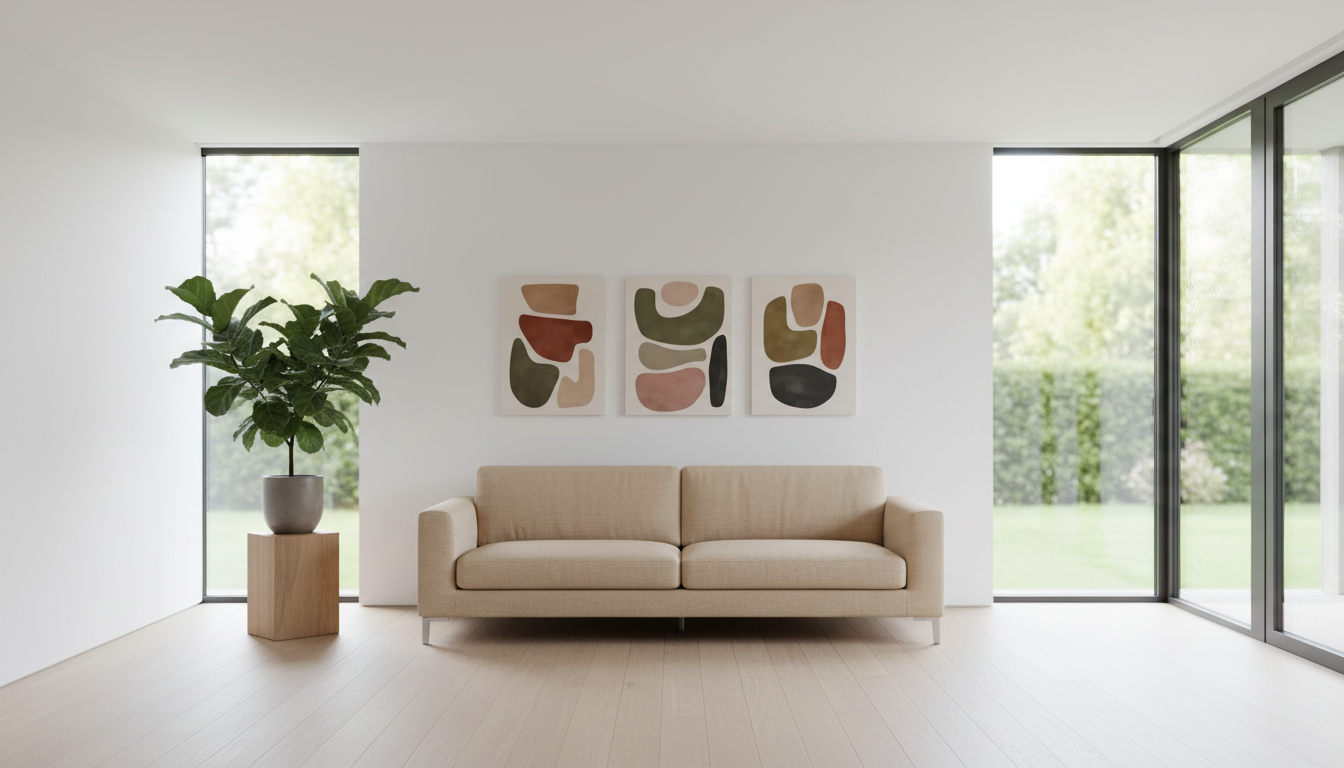
Myth 1: Minimalism Means Owning Nothing
A common misconception is that minimalists live with the bare minimum, owning just a handful of items. In reality, minimalism isn't about deprivation but about **mindful consumption**. It's about surrounding yourself with things that add value to your life, not just accumulating possessions.
Minimalists often own fewer items, but these are carefully chosen for their purpose and meaning. This approach leads to a more fulfilling and less cluttered lifestyle.
Myth 2: Minimalism Is Only for the Wealthy
Another myth suggests that minimalism is a luxury reserved for the wealthy. In fact, minimalism can be an accessible lifestyle choice for anyone. By focusing on essentials, minimalists often save money and reduce waste, which can be beneficial regardless of one's financial situation.

Minimalism encourages making thoughtful purchasing decisions, which can lead to financial freedom and reduced environmental impact.
Myth 3: Minimalism Is Boring and Bland
The aesthetic of minimalism, often characterized by neutral colors and simple designs, is mistakenly viewed as dull. However, minimalism allows for personal expression through **intentional design**. It's about creating spaces that reflect your personality, using colors and items that bring joy and peace.
Many minimalists incorporate vibrant colors and unique textures into their spaces, proving that minimalism can be both exciting and personal.
Myth 4: Minimalism Is a One-Size-Fits-All Approach
Minimalism is often seen as a rigid lifestyle with strict rules. However, it is highly personal and adaptable. Each person's journey is unique, allowing individuals to define what minimalism means for them. Whether it's reducing physical clutter or simplifying your schedule, minimalism can be tailored to fit your needs.
The flexibility of minimalism makes it an inviting option for those seeking a more intentional way of living.
Embracing Minimalism
Ultimately, minimalism is about creating space for what truly matters, both physically and mentally. By dispelling these myths, we can better understand the true essence of minimalist living and how it can add value to our lives.