Common Misconceptions About Minimalist Living
Understanding Minimalist Living
Minimalist living is often misunderstood as a lifestyle of deprivation or extreme frugality. However, at its core, it is about intentionality and simplicity. By focusing on what truly matters, individuals can create a more fulfilling life with less clutter.
A minimalist lifestyle encourages people to evaluate their possessions and habits, keeping only those that add value to their lives. It is not about having the least amount of things but about having the right amount for your personal needs.
Misconception 1: Minimalism Means Getting Rid of Everything
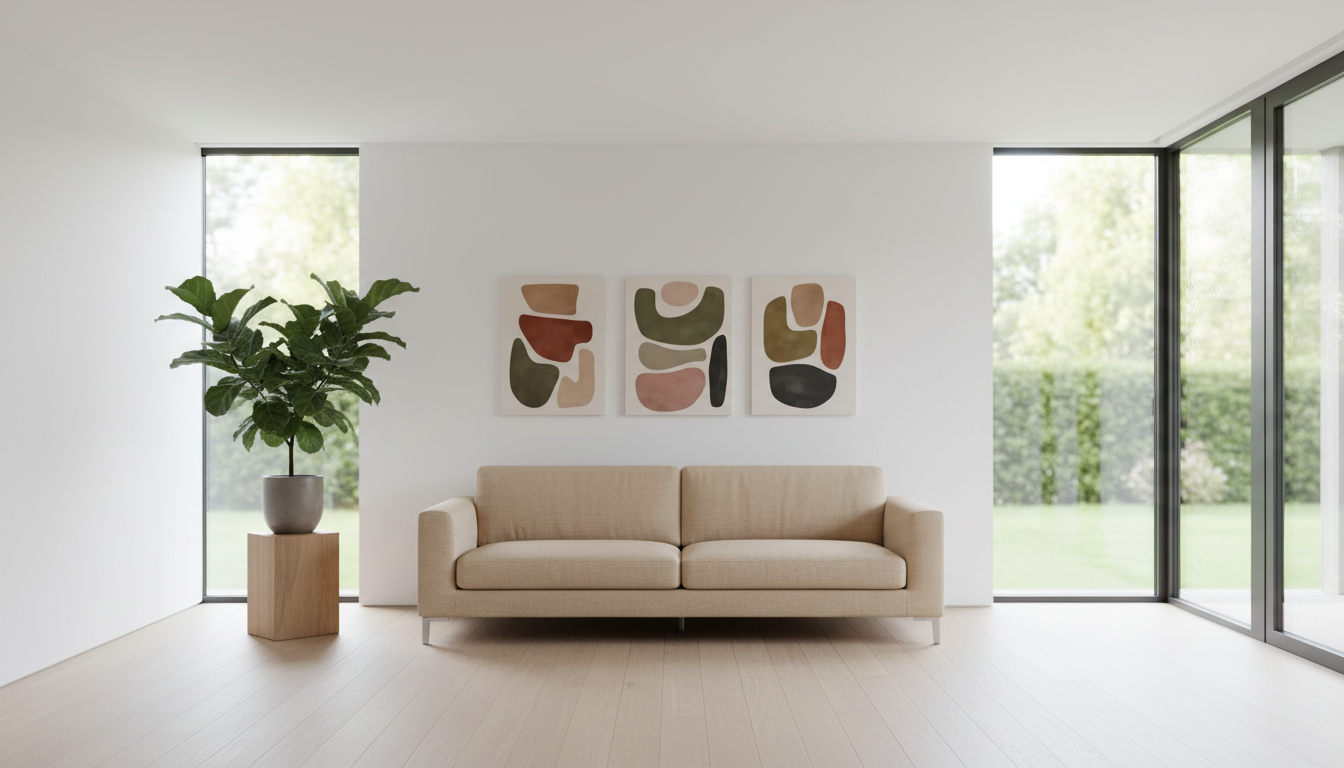
One of the most common misconceptions is that minimalism requires you to discard all your belongings. In reality, minimalism is about curating your life to include only what you find meaningful. It's not about living in an empty house but about creating a space that serves your well-being and happiness.
While some minimalists choose to live with fewer items, others may find joy in keeping a collection of books or art. The key is to be thoughtful about what you choose to keep, ensuring it aligns with your values and lifestyle.
Misconception 2: Minimalism Is Only for the Wealthy
Another myth is that minimalism is a luxury lifestyle accessible only to the wealthy. On the contrary, minimalism can be practiced by anyone, regardless of financial status. It often leads to financial savings by reducing unnecessary purchases and promoting mindful spending.

By prioritizing quality over quantity, minimalists often find themselves spending less in the long run. This approach can lead to financial freedom and less stress about money, making it accessible to people at any income level.
Misconception 3: Minimalism Is a Trend
Some people view minimalism as a passing trend, but it has been a part of many cultures for centuries. While its popularity has risen in recent years, the principles of minimalism—like focusing on what truly matters—are timeless.
The rise of social media may have introduced minimalist aesthetics to a broader audience, but the philosophy itself is rooted in sustainable and meaningful living, not just a temporary fad.

Embracing a Minimalist Mindset
To truly understand minimalism, it's important to shift focus from the physical to the mental and emotional benefits. Minimalism can enhance mental clarity and reduce stress by eliminating distractions and creating a more peaceful environment.
By embracing a minimalist mindset, individuals can prioritize relationships, experiences, and personal growth over material possessions. This shift can lead to a more balanced and satisfying life, free from the constant pursuit of more.