Case Study: Transforming Small Spaces in Milwaukee Homes
Introduction
Transforming small spaces in Milwaukee homes can be a challenging yet rewarding endeavor. With urban living becoming increasingly popular, maximizing every inch of space is essential for comfort and functionality. This case study explores innovative solutions that have successfully turned cramped areas into practical and stylish living spaces.
Understanding the Challenges
Milwaukee homes often come with unique architectural features and limitations that can make small spaces feel even tighter. From older buildings with awkward layouts to modern apartments with limited square footage, homeowners face various challenges when optimizing their living areas. These constraints require creative thinking and smart design choices.
One common issue is the lack of natural light, which can make small rooms feel even more confined. Additionally, balancing aesthetics with functionality poses another significant hurdle. Homeowners frequently struggle to find furniture and decor that fits appropriately while still reflecting their personal style.
Strategies for Space Optimization
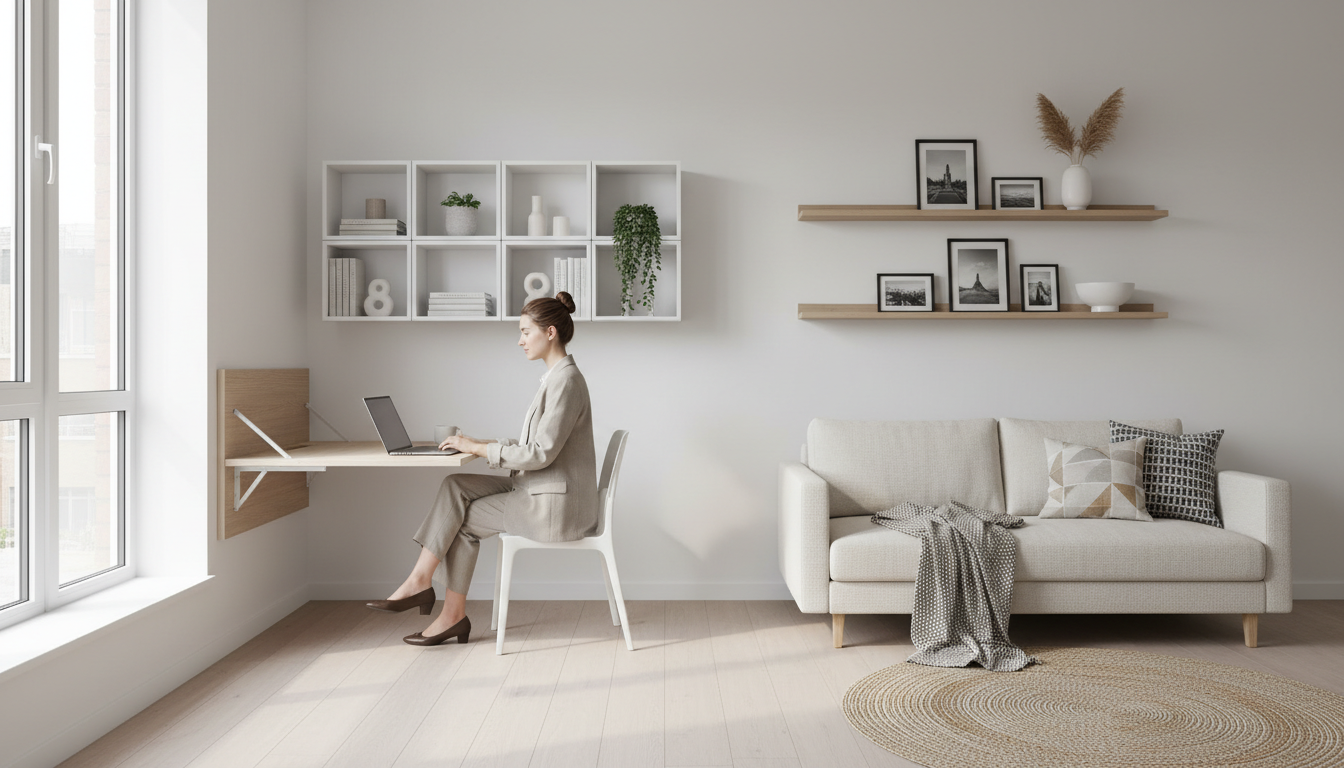
Several strategies have proven effective in transforming small spaces in Milwaukee homes. By incorporating multifunctional furniture, homeowners can make the most of their limited space. Pieces such as sofa beds, foldable desks, and extendable dining tables serve dual purposes, offering flexibility and utility.

Another strategy involves utilizing vertical space. Installing shelves, hanging plants, and using wall-mounted storage solutions can free up valuable floor space. This approach not only declutters the area but also adds an element of design by drawing the eye upward.
Design Techniques for Small Spaces
Implementing certain design techniques can significantly enhance the perception of space. Light color palettes, mirrors, and strategic lighting are effective tools for making small rooms appear larger. Using a cohesive color scheme and incorporating reflective surfaces can create a sense of openness and continuity.
Case Examples from Milwaukee
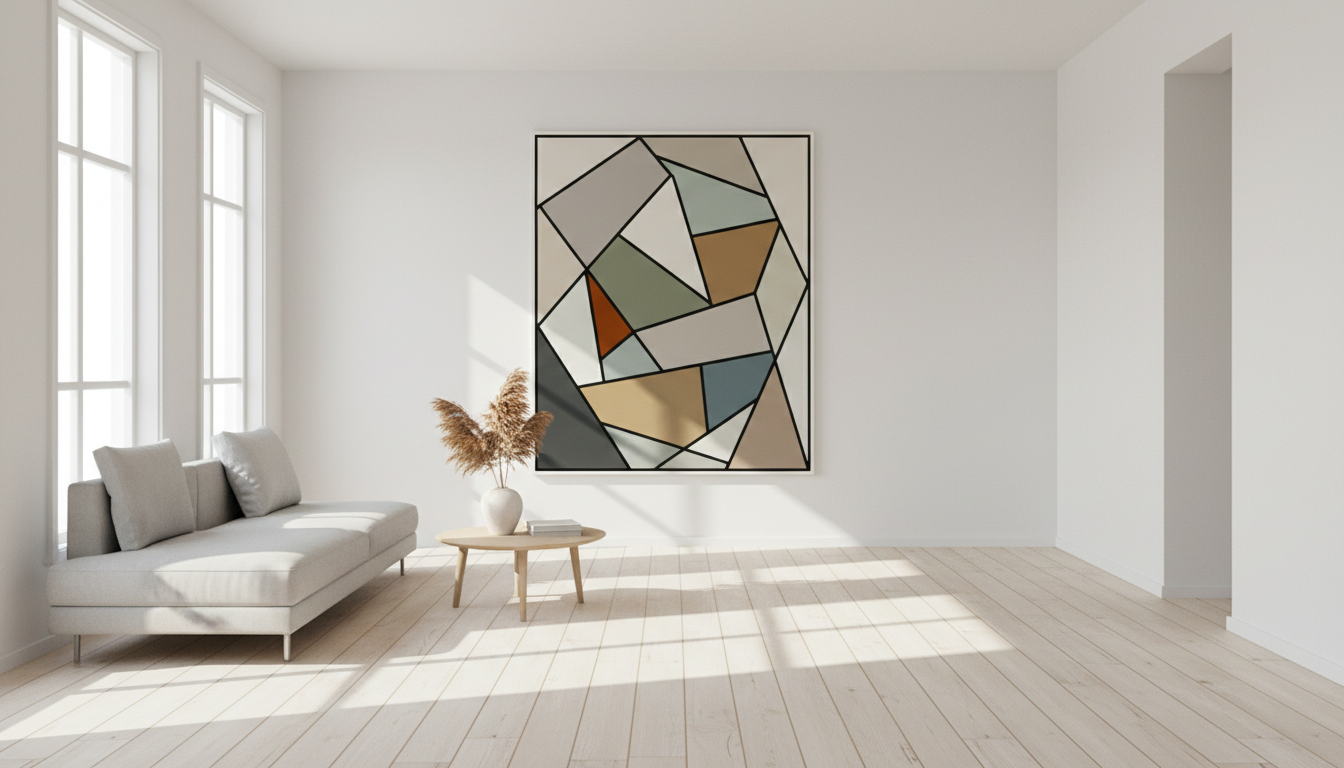
Several Milwaukee homeowners have successfully transformed their small spaces by applying these strategies. One notable example is a downtown apartment where the owner utilized a minimalist approach, focusing on essential items while maintaining a clutter-free environment. The result was a functional yet aesthetically pleasing space that felt much larger than its actual size.
In another case, a family in Milwaukee's suburbs turned their compact living room into a multifunctional area by incorporating hidden storage and convertible furniture. This clever use of space allowed them to accommodate guests comfortably without compromising on style.
Conclusion
Transforming small spaces in Milwaukee homes is not only achievable but can also lead to beautiful and functional living environments. By employing innovative solutions and thoughtful design techniques, homeowners can overcome the challenges of limited space. As urban living continues to evolve, these strategies will remain crucial in creating comfortable and stylish homes.